Pueblo, Colorado
By michaelromero63
A profile of Pueblo’s history, landmarks, cultural institutions, parks, and enduring identity as Colorado’s Steel City.
Pueblo, Colorado is a city located in the southern part of the state, about 100 miles south of Denver. It is the county seat of Pueblo County and is the home of Colorado State University-Pueblo. The city has a population of around 110,000 people, making it the state's fourth-largest city.
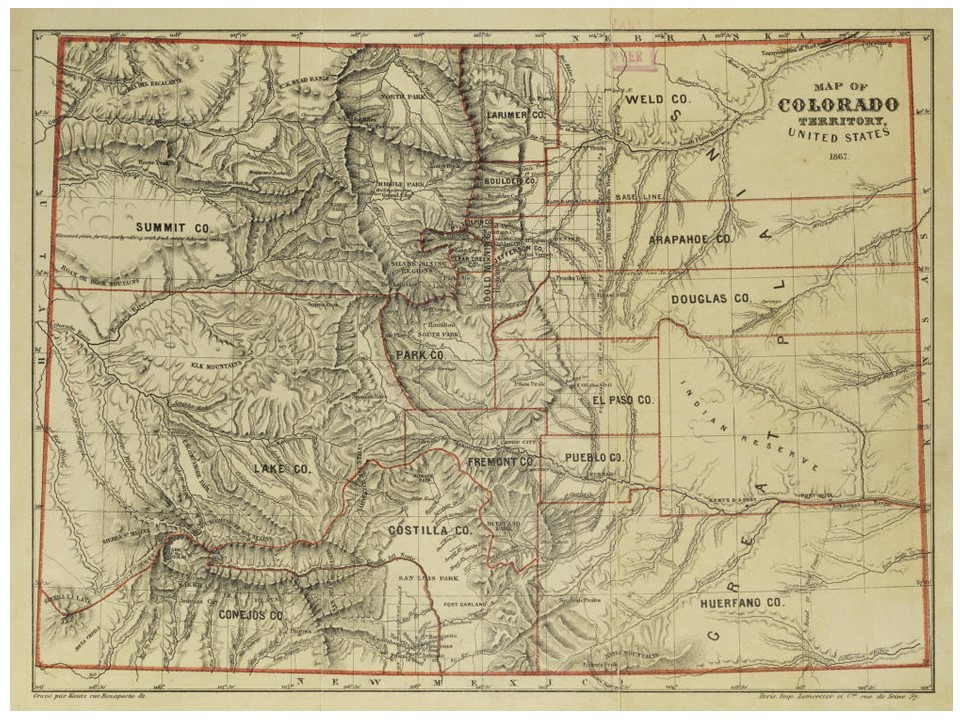
In the southeastern part of Colorado, in the Arkansas River Valley, Pueblo is situated about midway between Denver and Santa Fe, New Mexico. Pueblo is often referred to as the “Steel City” because of its history as a major steel-producing center. The city is located at the foot of the Rocky Mountains, offering mountain views and a variety of outdoor recreation.
Pueblo has a rich history dating to the early 19th century, when it was founded as a trading post on the Santa Fe Trail. The city was named after the Spanish word “pueblo,” meaning “town” or “village.” The area was originally inhabited by Pueblo Native Americans, and the city’s name reflects this history.
One of Pueblo’s most notable landmarks is Union Depot, a historic train station built in the late 1800s that now serves as a museum and event space. It was added to the National Register of Historic Places in 1975.
The city is also home to the Pueblo Zoo, Lake Pueblo State Park, Pueblo Mountain Park, and the Pueblo Riverwalk. Its historical and cultural institutions include the El Pueblo History Museum, Rosemount Museum, and Pueblo Weisbrod Aircraft Museum.
Pueblo is known for a strong cultural and artistic community, annual events such as the Pueblo Chile & Frijoles Festival, and the Colorado State Fair. Its economy includes manufacturing, healthcare, and education, while its museums, parks, and festivals preserve a strong sense of place and community.